
In the evolving world of metal manufacturing, Hordrt is leveraging the synergy between additive and traditional processes to deliver advanced solutions. Known for precision and flexibility, Hordrt combines die casting expertise with 3D printing to improve efficiency, especially in the production of low volume castings. This hybrid approach addresses the growing demand for customization, speed, and accuracy in various industries.
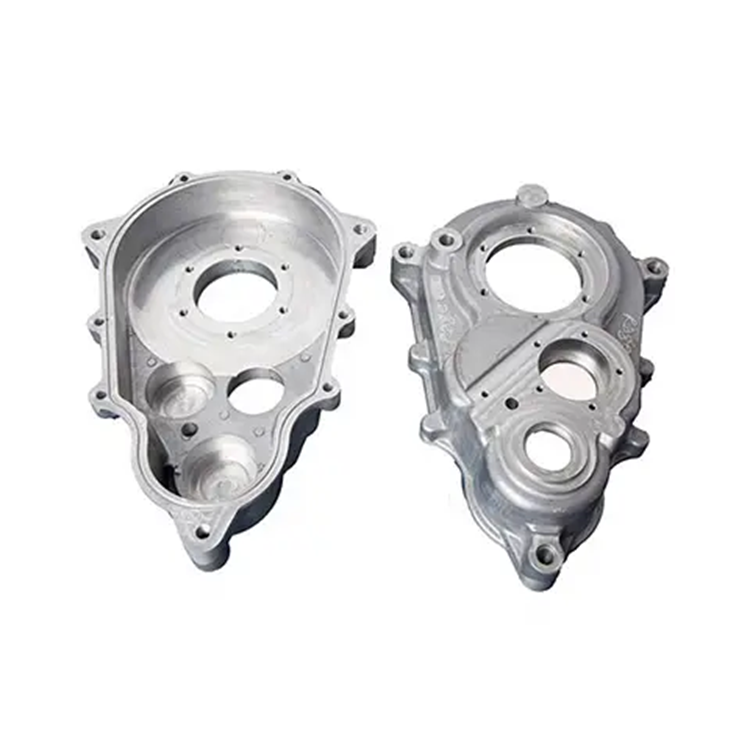
How 3D Printing Enhances Low Volume Castings
3D printing plays a crucial role in prototyping and tooling development for low volume castings. Instead of relying solely on traditional mold-making, Hordrt uses additive manufacturing to accelerate development timelines, reduce upfront tooling costs, and allow quick design modifications. This makes it easier for businesses to bring new products to market faster and with greater confidence in fit and performance.
Materials and Customization Capabilities
Hordrt offers low volume castings in materials like magnesium, which is ideal for parts requiring excellent corrosion resistance and tight tolerances. Magnesium die casting supports complex geometries and lightweight performance, making it suitable for automotive, aerospace, and electronic applications. In addition, Hordrt can customize surface treatments—such as plating or coating—based on functional or aesthetic needs, further increasing part value.
Conclusion
By combining traditional casting with advanced 3D printing capabilities, Hordrt provides innovative solutions for low volume castings. Their focus on speed, quality, and material expertise ensures customers benefit from a modern manufacturing process designed for flexibility and performance in today’s competitive landscape.